
Elementary Education
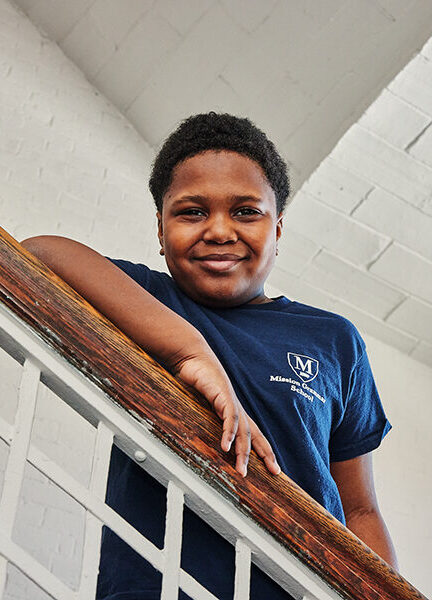
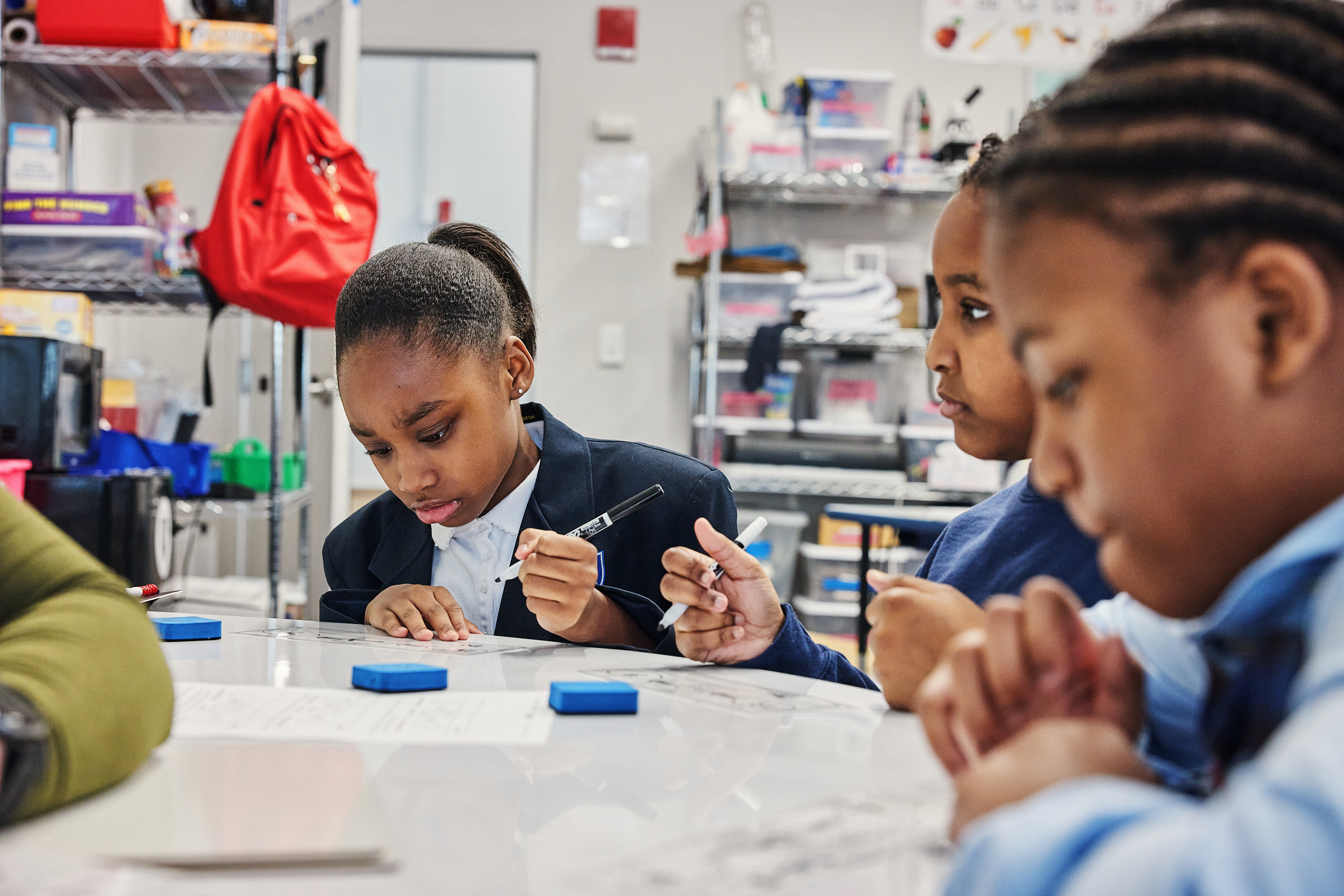
Mission Grammar’s Elementary School serves scholars in kindergarten through 6th grade, providing a rigorous, joyful, and inclusive learning environment where every child is known, challenged, and supported.
We believe every scholar is capable of achieving at high levels. Our standards-aligned curriculum builds strong foundations in literacy, mathematics, science, social studies, religion, and the arts while developing the critical thinking, problem solving, communication, and collaboration skills scholars need for future success.
Our CARES values of Community, Achievement, Respect, Equity & Inclusion, and Safety are embedded throughout the elementary experience. As Achievers, scholars learn that achievement is about more than getting the right answer. It means thinking deeply, persevering when learning is challenging, using feedback and resources, taking academic risks, and taking ownership of their growth. Scholars develop the confidence to share their thinking, ask questions, solve problems, and engage in productive struggle.
K2 – 3rd Grade
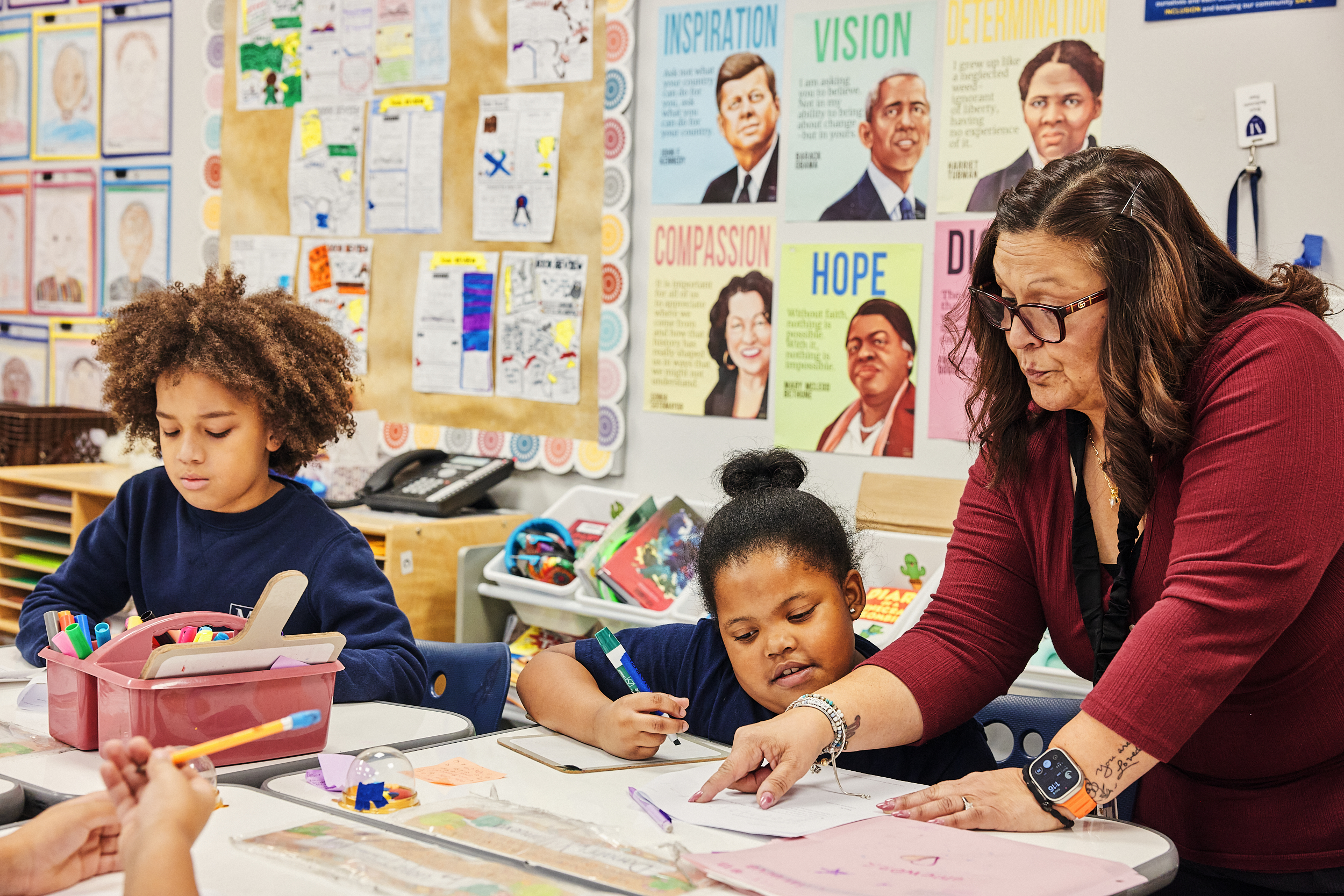
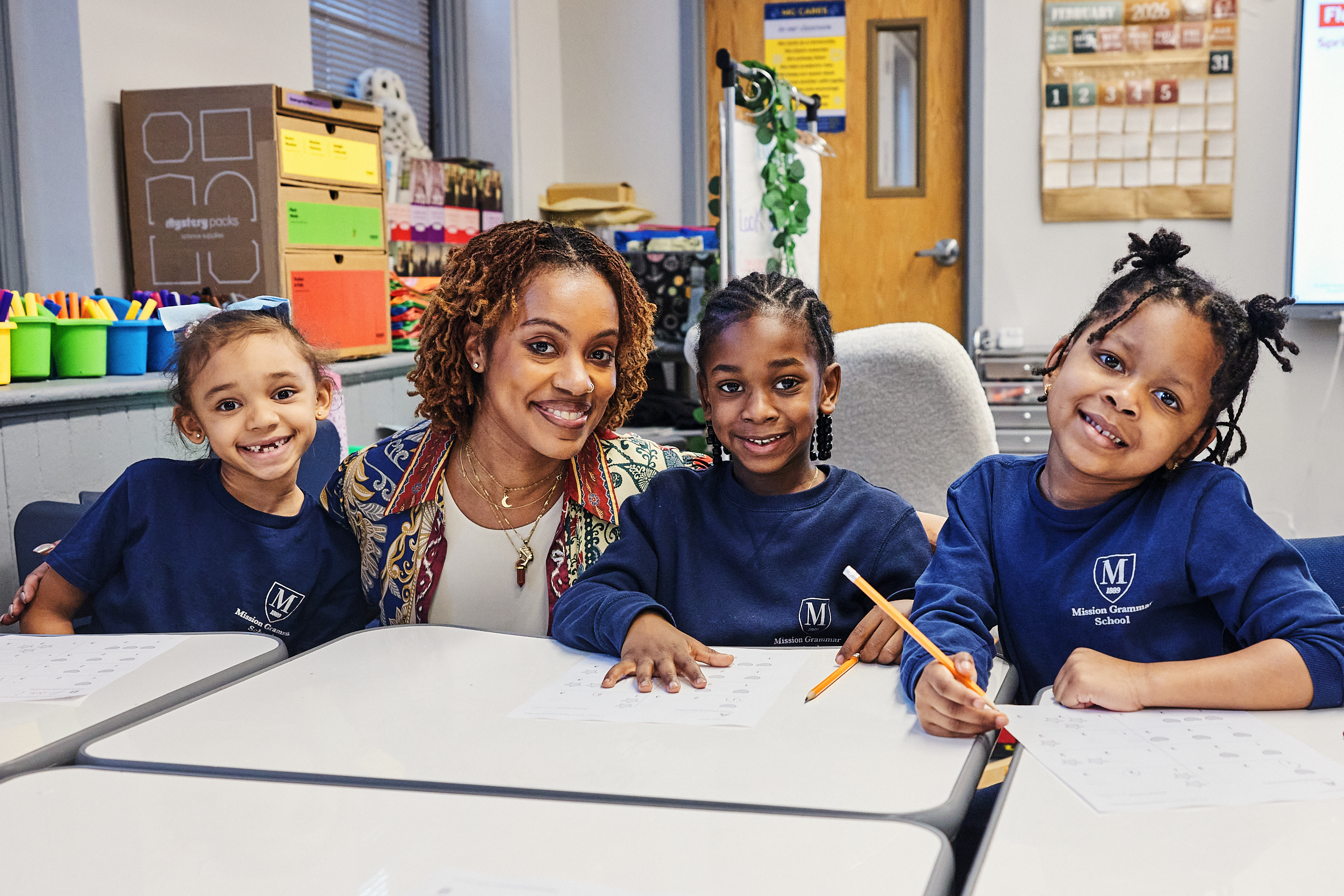
Scholars learn in self contained classrooms, with their classroom teacher providing instruction across the core academic subjects. This model supports strong classroom communities, integrated learning experiences, and consistent academic routines throughout the day.
4th – 6th Grade
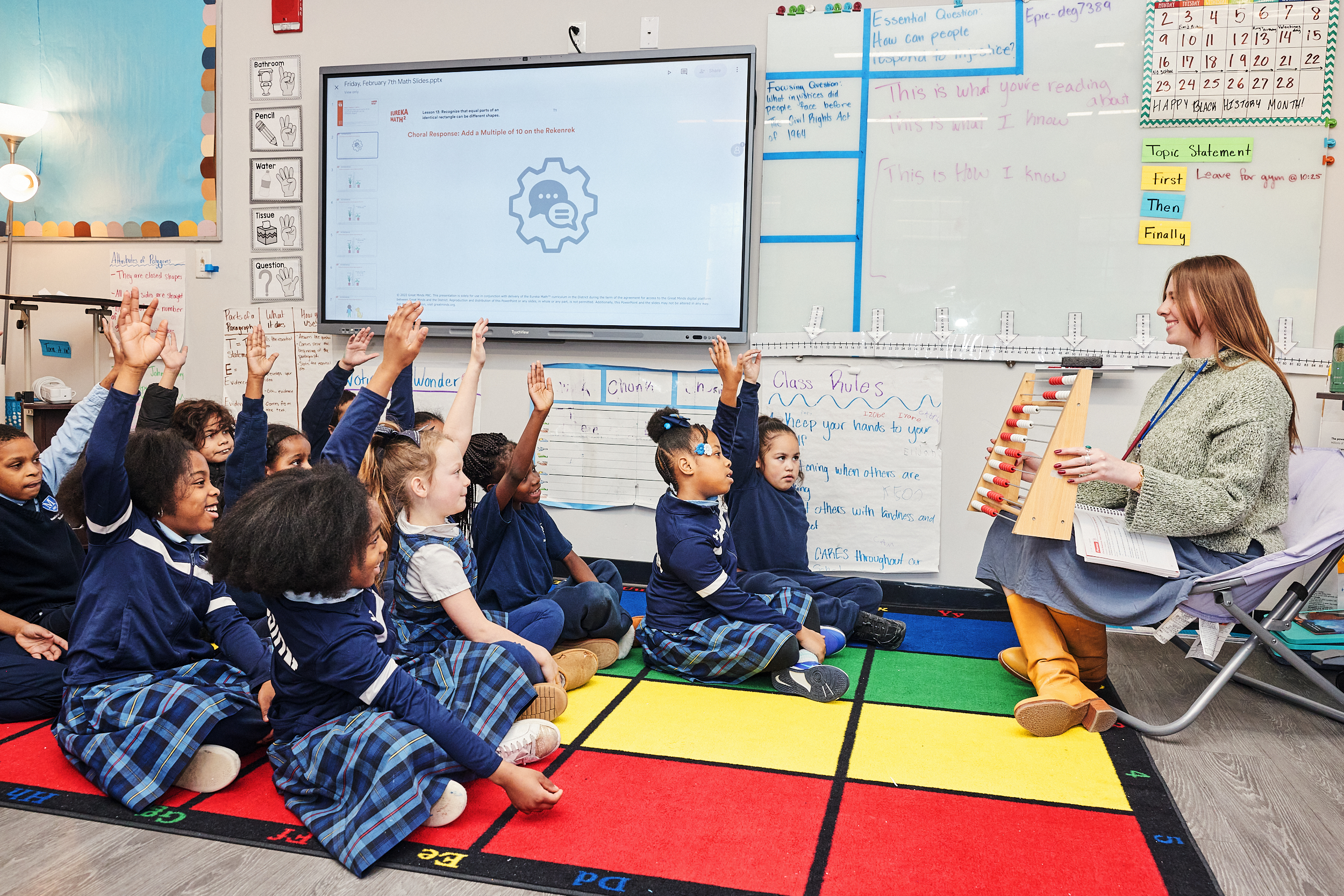
As scholars progress toward middle school, they experience increased independence and opportunities to learn with content area teachers. In Grades 5 and 6, scholars rotate between classes for English Language Arts, mathematics, science, social studies, and religion.



Elementary Core Curriculum
English/Language Arts
- Great Minds
- Wit & Wisdom
- Geodes
Phonics and Foundational Literacy
- Wilson Fundation
Social Studies
- K2 – 2nd Grade: inquirED
- 3rd – 6th Grade: Investigating History
Religion
- Sadlier
- We Believe
Mathematics
- Great Minds
- Eureka Math²
Science
- Mystery Science

Assessment helps us understand each scholar’s strengths, identify areas for growth, monitor progress, and provide responsive instruction and support. Mission Grammar uses multiple measures throughout the year to develop a comprehensive understanding of scholar learning.
No single assessment defines a scholar. Teachers consider assessment data alongside classroom observations, scholar work, curricular assessments, and their knowledge of each child to ensure scholars receive the appropriate level of challenge and support.
Assessment and Academic Growth
NWEA MAP Growth
Scholars complete NWEA MAP Growth assessments three times each year. Fall assessments establish a beginning of year baseline, winter assessments help us monitor progress, and spring assessments measure growth across the school year. Teachers use this adaptive, standards aligned data alongside classroom performance and curricular assessments to inform instruction and set academic goals with scholars.
Amplify mCLASS Math
Mission Grammar uses Amplify mCLASS Math to better understand scholars’ mathematical thinking and skill development. The assessment provides teachers with information about individual strengths and areas for growth, helping them plan targeted instruction, small group learning, and intervention or enrichment based on scholar needs.
DIBELS
Mission Grammar uses DIBELS to assess and monitor the development of foundational literacy skills. These brief assessments provide teachers with information about essential reading skills and help identify scholars who may benefit from additional instruction or support. DIBELS data is used alongside classroom performance and curricular assessments to monitor reading growth and inform literacy instruction.